LEINSTER was one of four steam packet ships commissioned in 1887 by The Dublin Steam Packet Company to replace their 1861 paddle steamers on the Holyhead to Kingstown (now Dún Laoghaire) postal service. With the advent of World War One in 1914, LEINSTER and her sisters were dazzle painted and armed with 12 pounder guns to defend themselves against German u-boats operating in The Irish Sea. On October 10 th 1918, LEINSTER was attacked by UB123 and sank with the loss of 500 lives. The LEINSTER sinking remains the worst maritime loss of life on The Irish Sea.
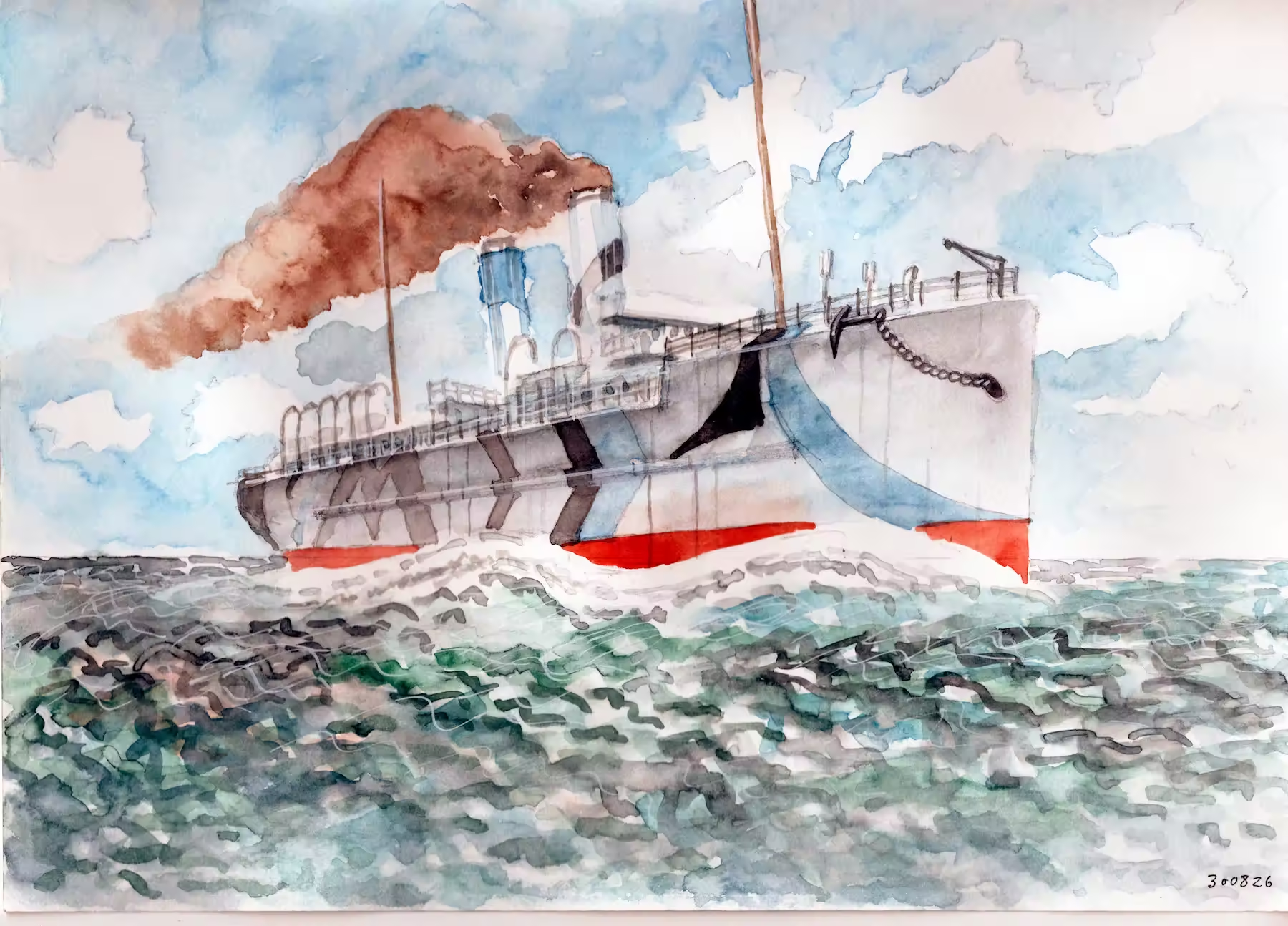
LEINSTER was constructed by Laird Brothers in Birkenhead in Liverpool and served with her four sister ships from 1897 until the outbreak of World War One in 1914. LEINSTER’S sister Connaught was requisitioned as a troop transport and was sunk in the English Channel in 1915. Under Admiralty instructions, LEINSTER and her sisters were dazzle painted and were armed with 12 pounder guns to defend themselves against German u boats operating in The Irish Sea. On October 10 th 1918, LEINSTER was attacked by UB123 near The Kish lighthouse, enroute to Holyhead. LEINSTER sank with the loss of over 500 lives. UB123 disappeared (presumed sunk) on her return passage to Germany. The LEINSTER sinking remains the worst maritime loss of life on The Irish Sea.
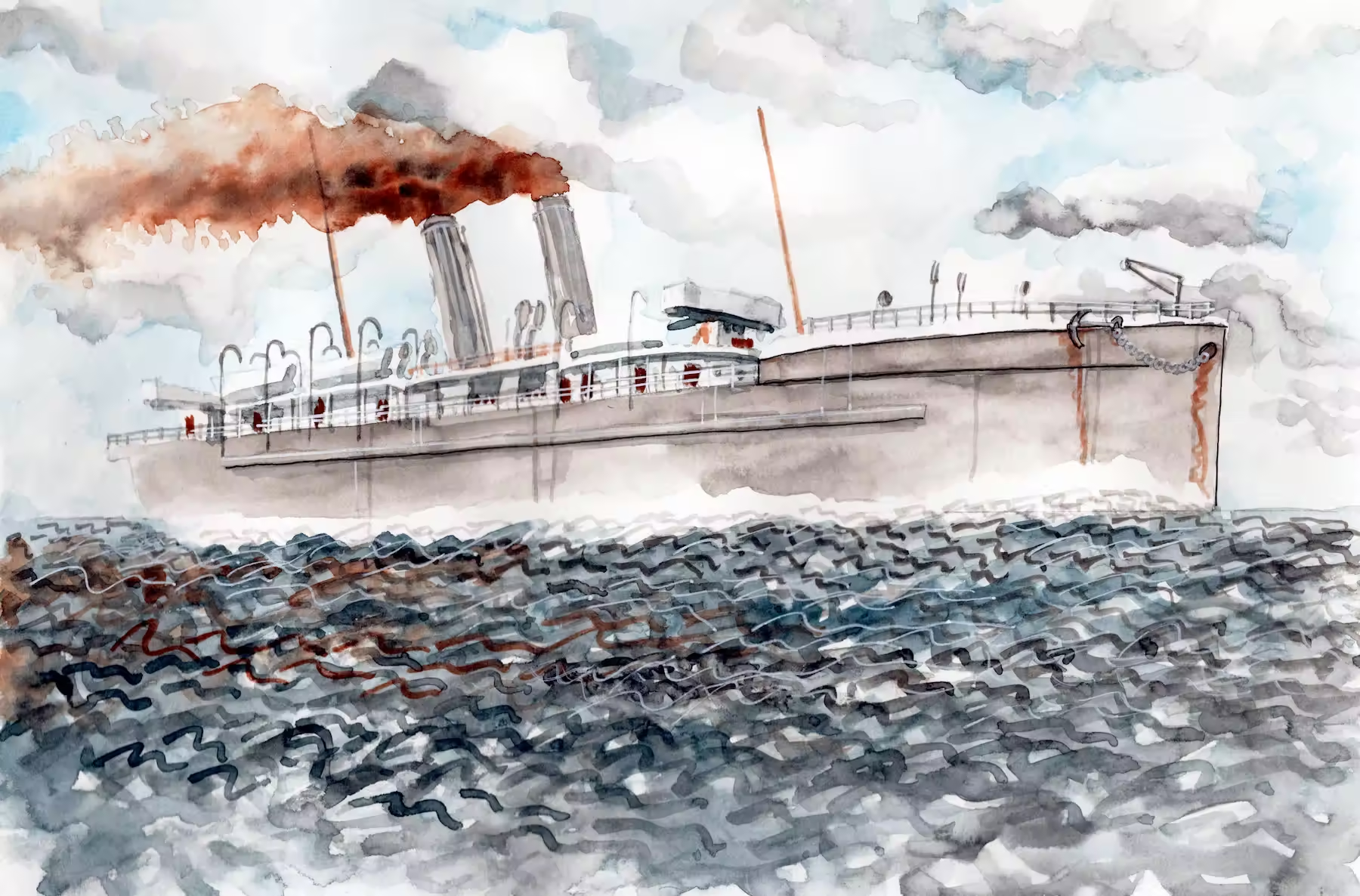
TO ASSEMBLE THE LEINSTER KIT YOU WILL NEED basic modelling tools – a craft knife, scissors, sandpaper (eg P120) household filler (eg polyfilla), tweezers, cotton thread (brown) a cocktail stick, multipurpose glue. CA (cyanoacrylate) glue (superglue) is also useful (but only if you’re over 18).
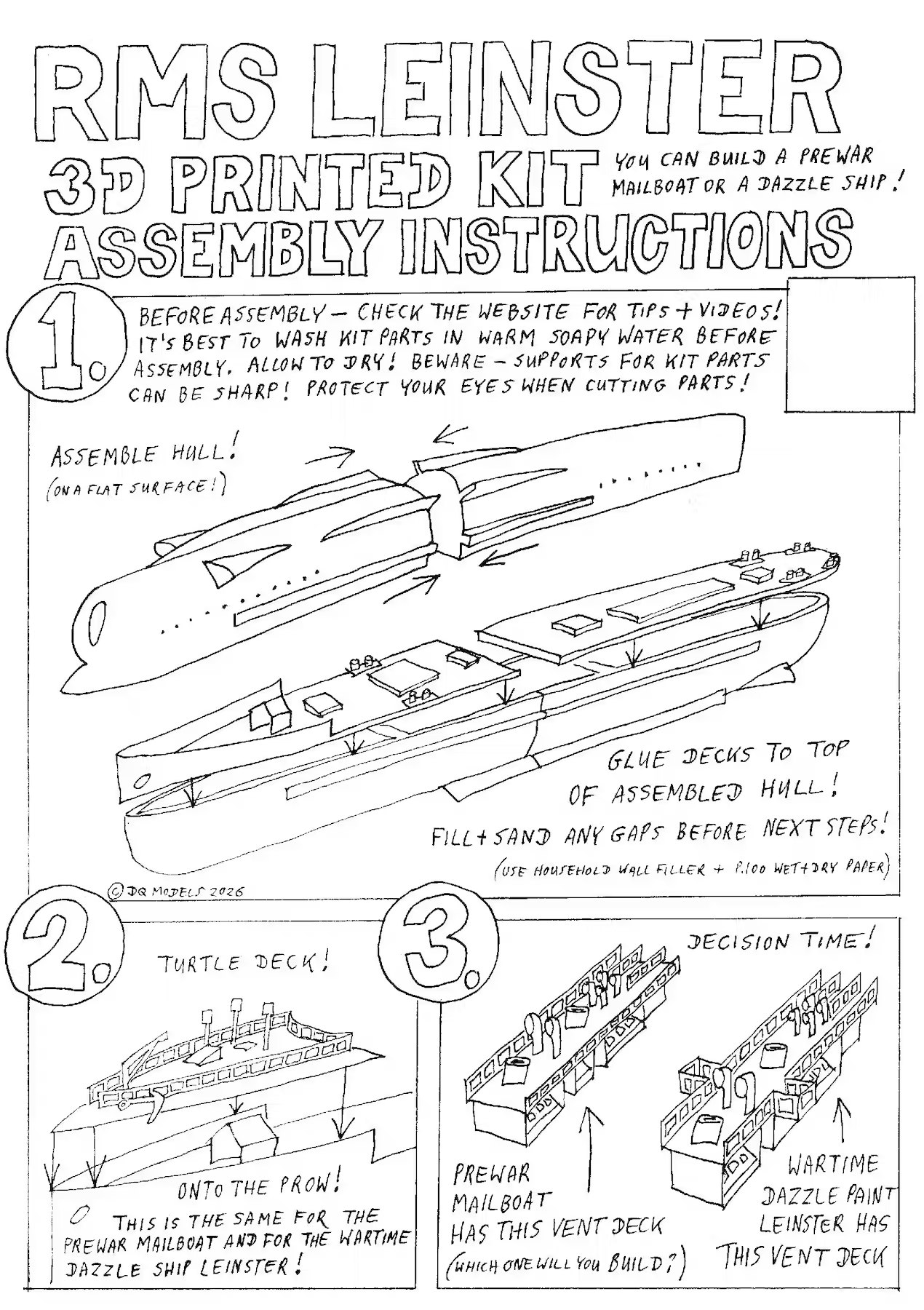
WARNING: It’s advisable to wash the LEINSTER kit parts in warm (NOT HOT) soapy water before assembly. STL printed parts especially can have surface residues of ethanol and resin, which can cause skin irritation. A soft toothbrush can be used to gently clean the parts. Allow parts to airdry before painting and assembly. BEWARE WHEN TRIMMING SUPPORTS FROM THE KIT PARTS – PROTECT YOUR EYES – THE support fragments CAN BE SHARP!
To paint the kit as a prewar MAILBOAT YOU WILL NEED acrylic paints: yellow ochre, black, white, burnt sienna.
To paint the kit as a WARTIME DAZZLE SHIP YOU WILL NEED acrylic paints: yellow ochre, black, burnt sienna, lightgrey, ultramarine.
NICE TO HAVE: ultramarine and white, bronze and silver acrylic paints (for display base), clear polyurethane varnish (for base). Copper paint for funnel steampipes.

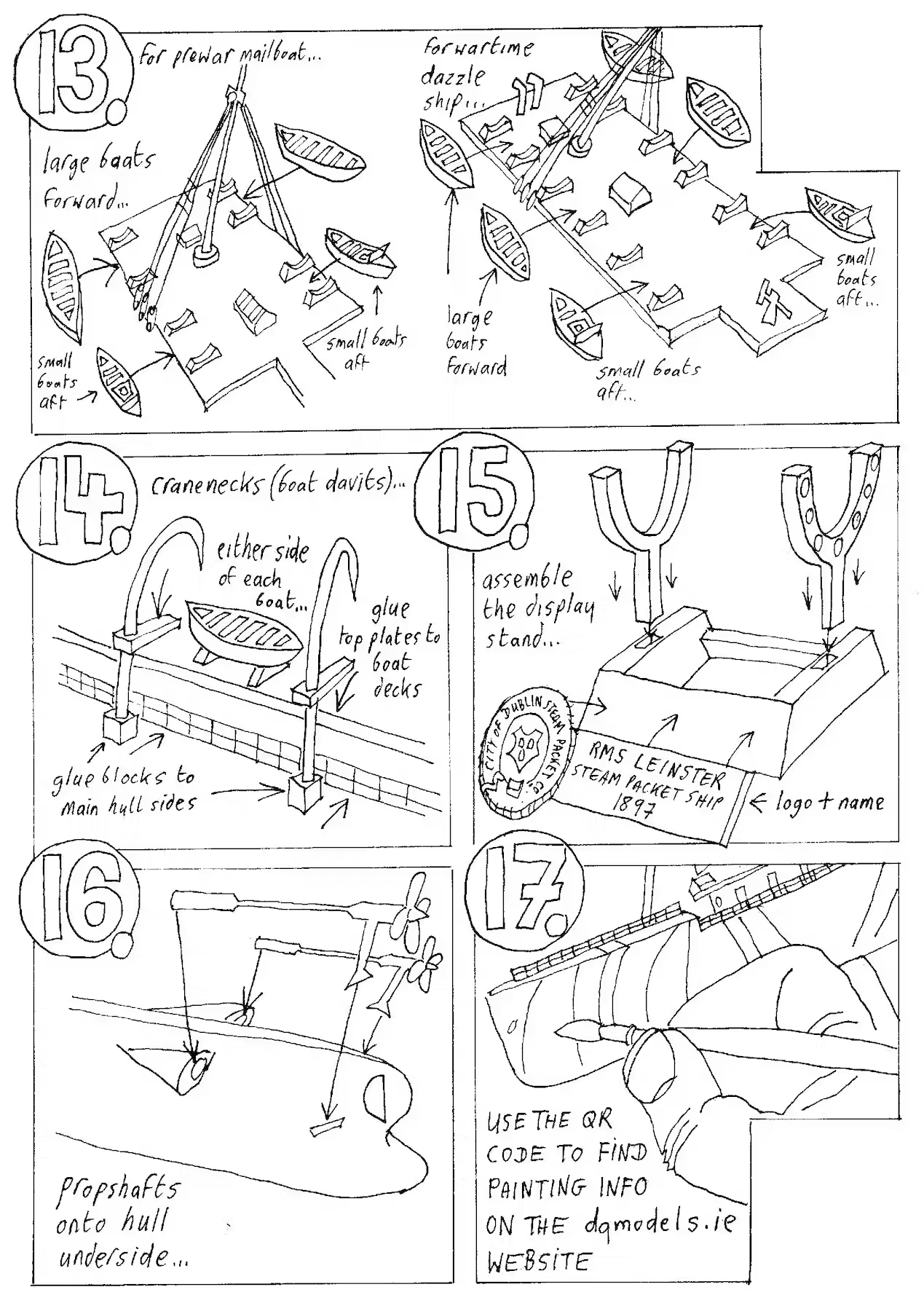
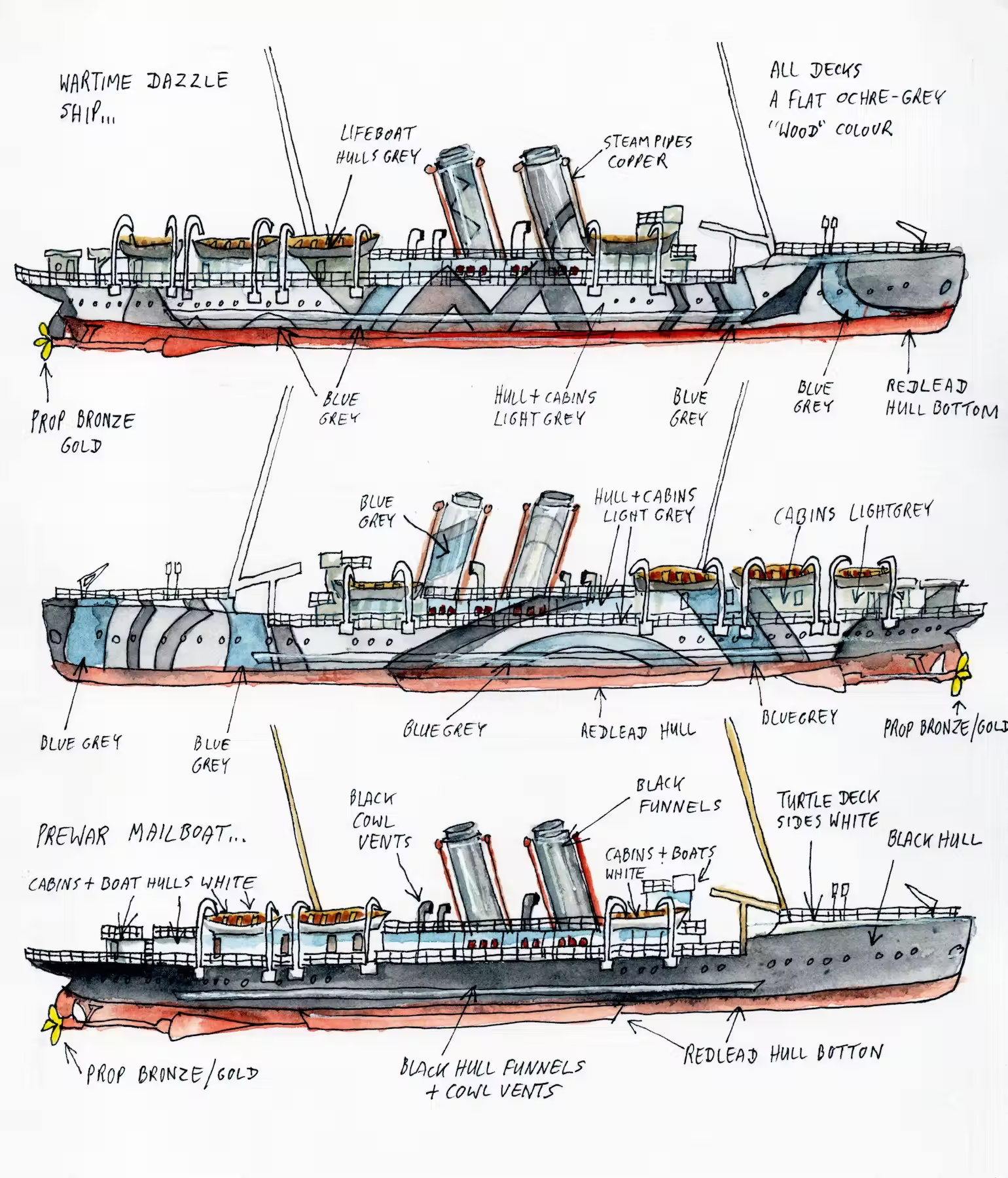
PAINTING LEINSTER MAILBOAT: Check website for painting guide and for the LEINSTER PAINTING video. It’s best to paint decks before assembly (DECK WOOD colour is a mix of yellow ochre, tinged with black and lightened with white). Lifeboat seats should also be painted with this DECK WOOD colour. Lifeboat hulls should be WHITE. For the mailboat deck cabins and the bridge maproom should be painted WHITE. Paint cabin doors, aft steering waffle and skylights BURNT SIENNA, to simulate varnished wood. Funnels and cowl vents should be painted BLACK. The cowl vent interiors may have been RED. Turtle deck edge (from rails to black hull) should be WHITE. Hull should be BLACK. Cranenecks (boat davits) should be WHITE. Hull bottom should be REDLEAD – you can use BURNT SIENNA acrylic. The props should be GOLD.
PAINTING LEINSTER DAZZLE SHIP: Check website for painting guide and for the LEINSTER PAINTING video. It’s best to paint decks before assembly (DECK WOOD colour is a mix of yellow ochre, tinged with black and lightened with white). Lifeboat seats should also be painted with this DECK WOOD colour. Lifeboat hulls for dazzle ship should be LIGHT GREY (batteship grey). For the dazzle ship deck cabins, cowl vents and the bridge maproom should be painted LIGHT GREY (batteship grey). Turtle deck edge (from rails to black hull) and hull should be LIGHT GREY (batteship grey). Though based on a WW1 photograph, the LEINSTER dazzle paint PAINTING GUIDE image is conjectural, but will give a good impression of a dazzle paint pattern. Use a soft (2B) pencil to mark out the dazzle pattern on the LIGHT GREY (batteship grey) hull. Mix a little black with the light grey (batteship grey) paint to create DARK GREY. Paint the DARK GREY sections first. Mix a little blue and black with the light grey (batteship grey) to create BLUE GREY. Paint the BLUE GREY dazzle sections next. Paint the BLACK dazzle paint sections last. Cranenecks (boat davits) should be LIGHT GREY (batteship grey). Hull bottom should be REDLEAD – you can use BURNT SIENNA acrylic. The props should be GOLD.
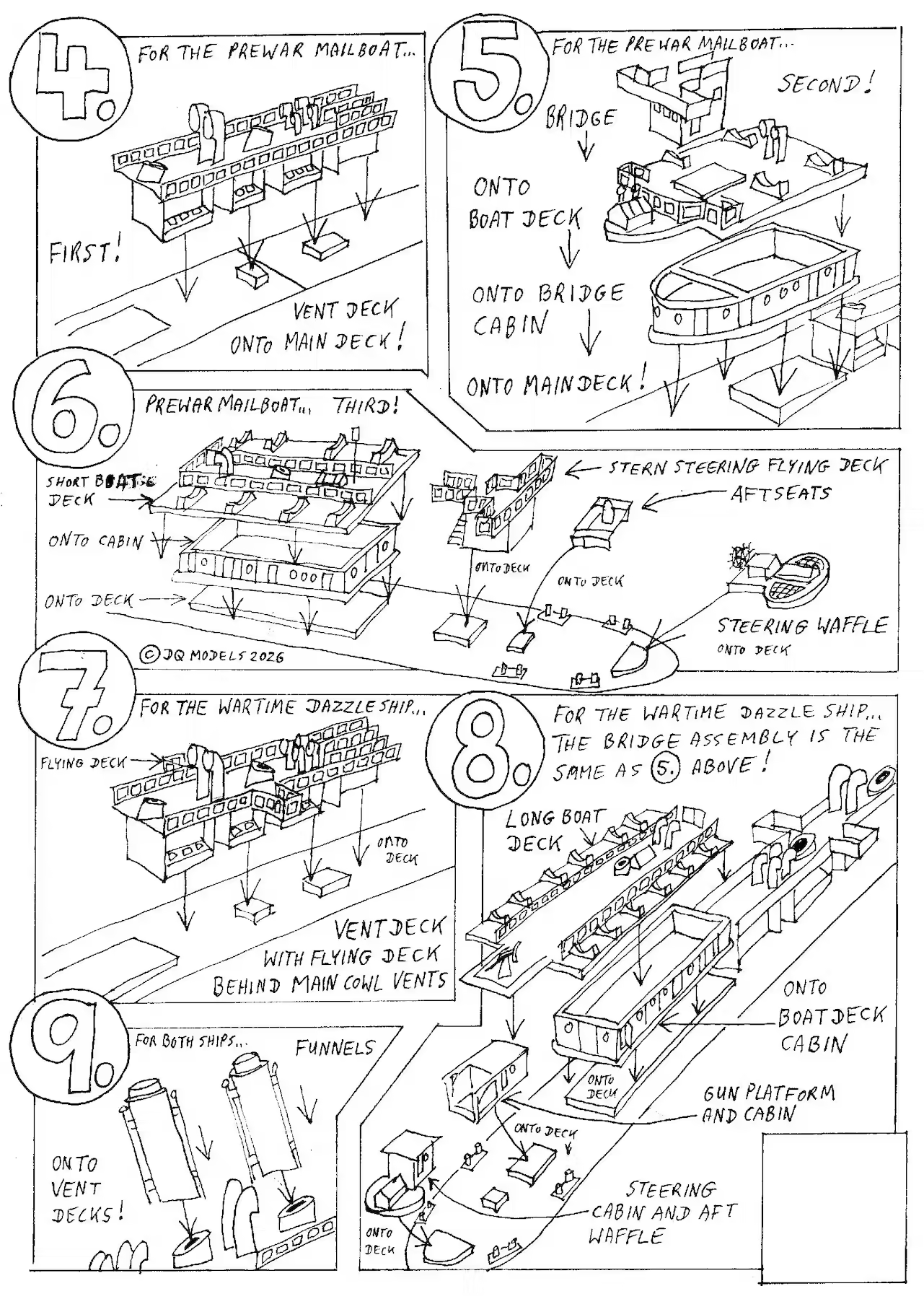
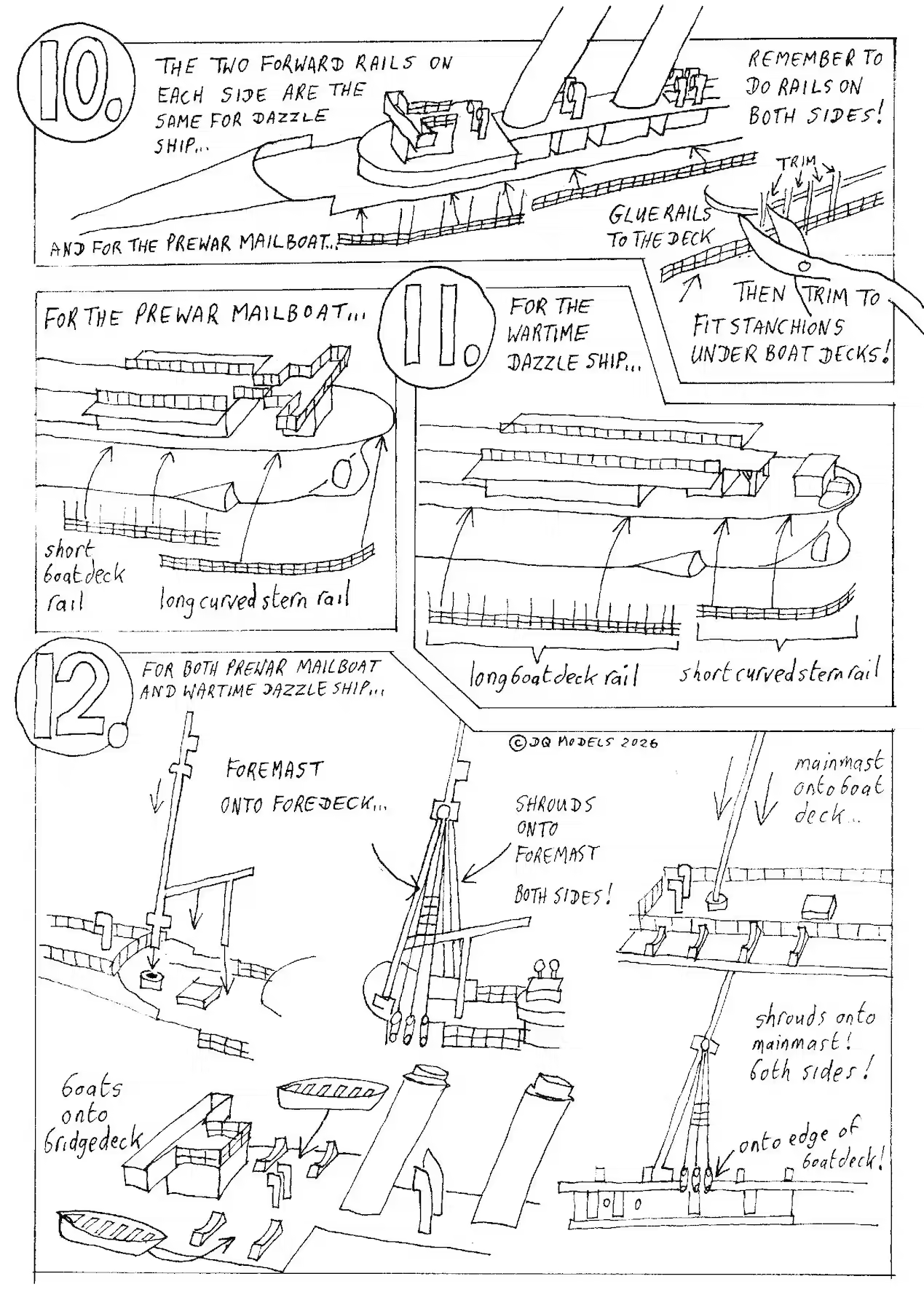
The LEINSTER model is a pretty straightforward build. Once the hull is assembled, it will greatly benefit from some careful filling and sanding, to neaten the joins between the hull and deck components. Decks and cabins are best prepainted. You MUST decide for yourself whether you’re building the prewar MAILBOAT or the wartime DAZZLE SHIP – this will determine which parts you will use in your build. Put simply, the DAZZLE SHIP features a longer.
MAIN BOAT DECK and its central VENT DECK (with cowl vents and funnels) has a flying deck to replace the mailboat’s AFT STEERING DECK. The DAZZLE SHIP also has a cabin built onto the AFT STEERING WAFFLE. Don’t be TOO worried about making mistakes on construction – there will have been variations on the DAZZLE SHIP modifications! Thank you for building this model and REMEMBER THE LEINSTER.